Goldex Casino App Download For Australia

Available in Australia, Goldex explains mobile setup, payments, limits, and support so adult players can stay in control.

Slot Fortune Gems 2

Table of Contents

  • The Dog House Megaways Slot
  • Lucky Joker 10 Extra Gifts Slot
  • Sword of Ares Slot
  • Floating Dragon Hold & Spin Slot
  • Leprechaun Riches Slot
  • Fruit Coctail Slot
  • The Dog House Megaways Slot
  • Sword of Ares Slot
  • Fruit Million Slot
  • The Dog House Megaways Slot
  • Fruit Box Slot
  • Big Fisherman Slot
  • Seven Books Unlimited Slot
  • Goldex Casino Fortune Slot
  • Sword of Ares Slot
  • Floating Dragon Hold & Spin Slot
  • 9 Mad Hats Slot
  • Floating Dragon Hold & Spin Slot
  • Big Bass Splash Slot

Why Goldex Casino App Works For Australians

Mobile play is usually about convenience, not “perfect conditions.” Imagine you have a short break, you open the platform, and you want to reach a game in under a minute. If the menus feel heavy or the screens refresh for no reason, that break is gone before the first spin. The mobile experience here is built around keeping the path simple: open, confirm your account state, pick a category, then play without hunting for basic buttons.

app 1

In 2026, the difference between a good and bad mobile session is often small. Players notice whether the lobby feels readable on a small screen, whether the cashier is easy to locate, and whether transaction history is visible without digging. If you can find those three areas fast, you feel calmer, and calmer players make better decisions.

This platform is available in Australia for legal-age users, and you’ll see adult-access habits baked into the flow: ownership checks, security prompts, and control tools that help you pace yourself. Picture someone who tries to rush through every prompt like it’s a pop-up ad. They finish faster in the moment, but they usually pay for it later with extra steps at the worst time (right when they want to withdraw or recover access).

What You See In The Lobby In The First Minute

The first minute sets your mood. Imagine you open the lobby while commuting, the signal dips, and you keep tapping back and forward to “make it load.” That rapid clicking often creates more refreshes, not fewer. A better routine is to let the lobby fully load once, then use one clear category choice to start.

Most players do better when they pick one title and stay with it for a short block instead of bouncing between ten games looking for instant excitement. If you’re switching constantly, you lose track of stake size, time spent, and whether you’re playing for fun or chasing a feeling. The lobby should help you choose, not tempt you into endless browsing.

One more small trick: decide your session style before you scroll. Calm spins, feature-hunting, or higher swings are different moods. When your choice matches your mood, you are less likely to “fix” boredom by raising stakes.

How The Mobile Flow Feels On Wi-Fi Vs Data

Connection quality changes everything. Picture a payment prompt that appears, you switch apps to answer a message, then you return and the page has refreshed. Now you’re not sure what confirmed, what failed, and what’s still pending. The smoother approach is boring but effective: treat deposits and withdrawals as one focused minute, with no app switching and stable signal.

On mobile data, keep sessions shorter and simpler. Long browsing, heavy graphics, and constant switching can trigger reloads on some devices. On Wi-Fi, you usually get a steadier experience, which is a better time for account actions like verification or a first withdrawal request.

If something looks “stuck,” avoid hammering buttons. Pause, check whether the action is recorded in history, and only then decide what to do next. Most stress comes from guessing, not from the platform itself.

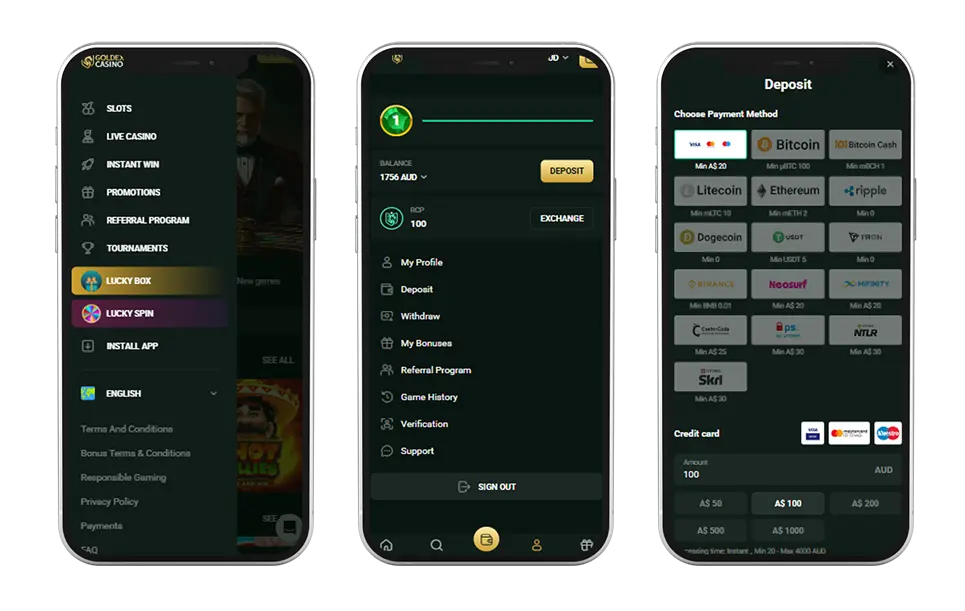
Goldex Casino App Download: What To Prepare First

Before you install anything, prepare your phone like you’re about to do a small bank task. Imagine you download while your storage is almost full, your battery is low, and you have fifteen apps open in the background. The result feels glitchy, but the real issue is your device struggling to keep the session stable.

app 2

Start with the basics: free storage, close background apps, and update your operating system if it’s behind. Then install and open the mobile product once, letting it load fully. People often install and instantly try to deposit, then panic when a prompt appears and they don’t recognize the menus yet.

Keep permissions sensible. Notifications can be useful for security prompts and status updates, but you can still keep them private. Picture a lock-screen notification lighting up in public with more detail than you wanted. Adjust your settings so alerts stay generic, and don’t allow “everything” just to get rid of pop-ups.

Finally, plan your first session before you launch a game. Decide your budget and your time limit. A clean plan helps you judge the experience fairly because you’re not making decisions while excited or frustrated.

app 3

Setting Up Your Account The Right Way

Account setup is where many players accidentally create future problems. Imagine you sign up during a noisy moment, type quickly, and miss one character in your email. Everything looks fine until you need a confirmation code or a recovery message, and then nothing arrives. It’s not drama, it’s a typo that only shows up later.

Do setup in one sitting on one device. Switching between phone and tablet mid-registration can create mixed sessions and repeated prompts that feel random. Finish profile fields carefully, then check your details once before you move on to payments or promotions.

The platform is intended for legal-age players, and it may ask for ownership confirmation steps. Treat those steps like normal adult-access checks, not like obstacles. The smoother you make your first verification, the fewer interruptions you’ll get later when you actually want to play.

Sign-Up Steps That Avoid Rework

Think of sign-up as a short checklist: create credentials, confirm contact details, review your profile, then set your first limits. Imagine you skip the profile review because you’re eager to play, and later you discover a mismatch that slows a cashout request. That is the kind of frustration you can prevent in five minutes.

Use a password you can store safely. On private devices, password managers reduce typos. On shared devices, don’t save credentials and don’t leave sessions open. It’s not about paranoia, it’s about avoiding the “I lent my phone to someone for a second” mistake.

After registration, locate three screens right away: account settings, transaction history, and responsible-play tools. If you know where those live, you feel in control. Players who cannot find them tend to click faster, and fast clicking leads to errors.

Verification Without The Panic

Verification is easiest when you do it calm and clean. Imagine you try to upload documents at night with dim lighting and glare on the screen. You think it’s readable, submit it, and later you’re asked to redo it because details are unclear. One good submission beats three rushed ones.

Follow the instructions exactly and keep images sharp. Don’t crop too tightly, don’t use blurry screenshots, and don’t submit partial information hoping it will pass. If something is rejected, fix the cause rather than re-sending the same thing with more frustration.

Many players wait until they want to withdraw to handle verification. That timing makes everything feel urgent. Doing checks earlier turns future cashouts into routine, not a stressful event.

Keeping Login Recovery Simple

Recovery is only fast if you set it up right. Imagine you use an inbox you rarely open, then you forget your password and can’t find the reset message. You start retrying, resending, and guessing, and suddenly you’ve created a messy trail.

Pick a recovery channel you can access easily and keep it updated. Avoid creating multiple accounts accidentally. If you ever need help, support can work faster when your account history is clean and your details are consistent.

Also, keep your device secure. A strong lock screen and a private phone reduce the risk of someone else accessing your account and creating confusion you can’t explain later.

Payments And Cashouts On Mobile

Payments are where mobile distractions hurt the most. Imagine you’re half watching a video, you tap deposit, a confirmation prompt appears, then a message arrives and you switch apps. You come back, the screen refreshed, and you tap deposit again because you’re not sure what happened. Now you’re anxious and checking your bank app instead of enjoying the session.

Treat money actions as focused tasks. Stable connection, one device, one attempt. After any deposit or withdrawal request, check the transaction history screen instead of guessing from the balance. History is your anchor: it shows what you asked for and what status it’s in.

Cashouts feel personal, so people tend to panic. Picture a player refreshing the status screen every minute, then canceling and re-submitting because they want instant results. That creates confusion and sometimes extra prompts. One clean request is easier to track and easier to support if something needs clarification.

To keep things practical, use a simple routine: complete account checks early, keep method use consistent when possible, and write down what you did if you’re the type who forgets details after the session ends.

Mobile Task

Best First Check

What Often Goes Wrong

A Calm Fix

Add funds

Signal stability and correct amount

Double taps on submit

Submit once, then check history

Confirm status

Transaction history view

Watching balance only

Refresh history, not the button

Request cashout

Profile readiness

Missing ownership steps

Finish checks before requesting

Track payout

Current status label

Cancel and re-send loop

One request, spaced checks

Stay in control

Limits and timer

Setting limits too late

Set limits before play

Deposits Without Accidental Double Taps

Make deposits boring on purpose. Imagine your thumb slips on a small screen and you select the wrong amount. That mistake is common when you’re excited. Slow down, confirm the amount once, complete the prompt, then verify it’s recorded in history.

If a deposit fails twice, don’t spam retries. Re-check details, confirm your connection, and try one clean attempt. Switching methods repeatedly can create a messy record that’s harder to understand later.

Once you find a method that fits your routine, stick with it. Consistency reduces surprises and makes your own tracking easier.

Game Choice, Stakes, And Session Rhythm

A mobile casino session can drift if you don’t set a rhythm. Imagine you start with a plan for a quick unwind, but you keep switching games because nothing feels exciting fast enough. Then you raise stakes to force action. That’s not strategy, it’s impatience taking the wheel.

Pick one game and give it a short block to show its pattern. Some titles feel steady, others can run quiet for long stretches. When you choose a style that matches your mood, you’re less likely to chase results.

Stakes should be repeatable. Ask yourself: can I place this bet size repeatedly without needing a “big win” to justify it? If not, drop it. This one question prevents most regret.

In 2026, the healthiest players treat sessions like a planned activity. They decide a budget, set a timer, and stop when the plan ends, even if the last spin was tempting. That’s not being “strict,” it’s protecting tomorrow’s mood.

Micro-Plan For Short Mobile Sessions

Short sessions work best with structure. Imagine you have fifteen minutes before dinner. You set a timer, pick one title, and stick to one stake size. When the timer rings, you pause and decide whether you’re still enjoying it.

If you keep playing after the timer, make it a conscious decision, not an automatic slide. Most overplaying happens when people don’t notice time passing, not because they wanted a long session in the first place.

A simple end rule helps: if you feel pressure to recover losses, stop. Pressure is the fastest sign you’re no longer playing for fun.

Responsible Play Tools And Session Control

Control tools are not decorations. They are the difference between entertainment and a session that leaves you annoyed. Imagine you’re tired, you keep tapping “one more,” and suddenly an hour is gone. Mobile makes it easy to continue, so you need brakes that work when your attention is low.

Set limits before you start. Deposit caps, session timers, and break tools work best when you’re calm. If you only reach for them after you’re frustrated, you’re asking emotions to make rational choices, and that rarely ends well.

Timeouts are for short resets. Self-exclusion is for firm distance when you want it. Both are adult-access tools designed to keep play within boundaries you choose.

Don’t wait for a bad night to learn where these settings live. Find them on day one, even if you think you “won’t need them.” The moment you do need them is not the moment you want to be searching menus.

Timeouts And Self-Exclusion Options

Use a timeout when your behavior shifts. Imagine you’re clicking faster, raising stakes, and you’re not enjoying the game anymore. That is a perfect time for a short break.

Longer self-exclusion helps with repeated patterns, like late-night sessions you regret. It removes negotiation from the moment and protects your routine.

If you feel embarrassed about using these tools, drop that thought. They exist because adults deserve structure, not because someone expects you to fail.

Building A Personal Stop Rule

A stop rule is your own promise made while calm. Imagine you decide: “I never increase stakes to chase losses.” When you’re relaxed, that rule sounds easy. When you’re tilted, it becomes the exact guardrail you need.

Write the rule down. Keep it simple. Then support it with tools like timers and deposit limits so it’s not just a motivational quote.

The best stop rules are behavioral, not outcome-based. “Stop after a win” sounds good, but it often fails because you don’t know what counts as enough. “Stop when I feel rushed” is easier to follow because you can feel it in real time.

Support And Troubleshooting In 2026

Most mobile issues are either device-related or process-related. Imagine you get a loading loop and you change five settings at once. Now you can’t tell what helped, and support can’t follow your story. Troubleshoot with structure: one change, one test, one result.

Start with device basics: close background apps, restart the phone, and try on a stable connection. If the issue involves login, do a clean password attempt and consider a reset instead of repeated guesses. If it involves payments, check transaction history before you take any new action.

Support works best when you write like a short report. Device type, connection type, the exact step that fails, and any status message wording. Avoid long emotional messages. You want a fix, not a fight.

In 2026, many platforms add protective friction when they see repeated failed attempts. If something fails twice, pause. Repeating the same action quickly can create more checks, not fewer.

Writing A Support Message That Gets Answers

Imagine you message support with “it doesn’t work.” The reply will be a list of questions, and you’ll lose time. Instead, send a clean summary: what you tried, what you saw, and what your current status is.

Keep your message factual. Include method type for payment issues, and include whether the issue happens on Wi-Fi or mobile data. If you share images, be careful not to reveal sensitive details. Often, describing the exact status label is enough.

Once you send the report, stop experimenting while you wait. Changing settings mid-ticket can make the situation harder to diagnose.

FAQ

Imagine you install while storage is almost full and your phone is juggling background apps, then the lobby keeps refreshing and you think something is broken. A better start is simple: free some storage, close background apps, update your system, and restart the phone if it’s been running for days. Open the app once and let it fully load before you do anything involving money. That one clean launch often prevents the “why is it lagging?” spiral.

Picture a short session on mobile data where you switch apps for messages and return to a refreshed screen every time. First, reduce variables: stable connection, fewer background apps, and one active tab or session. If you’re using a browser view, clearing stored site data and trying one clean attempt can help. If the issue repeats across networks, stop repeating taps and contact support with a short report of what you clicked and what you saw.

Imagine you see a spinner, get impatient, and hit submit again because you’re not sure the first tap counted. The calm routine is submit once, then check transaction history for status instead of guessing from the balance. Treat deposits as a one-minute focus task with no app switching, no multitasking, and stable signal. If something looks unclear, refresh the status view and pause before you do anything else.

Think of it as adult-access ownership confirmation rather than a random barrier. Imagine you request a cashout right after changing profile details or switching payment routes, and the system asks for an extra step. Completing verification early reduces surprises later. Submit one clean request, track it in history, and avoid canceling and resending repeatedly, because repeated actions can create more confusion than progress.

Imagine you start with a small budget but raise stakes after a few quiet rounds just to force excitement. A safer method is choosing a bet size you can repeat calmly ten times in a row without flinching. Set a timer and a budget before your first spin, then treat both as final for the session. If you notice yourself thinking about “getting back to even,” that’s your cue to pause or take a timeout.

Picture the moment play stops feeling fun and starts feeling tense: faster taps, less patience, and a desire to fix results instead of enjoy the game. That’s a great time for a timeout because it interrupts the pattern quickly. Longer self-exclusion is for repeated habits you want to stop without negotiating later, like late-night sessions that lead to regret. Set break tools while calm, then let them protect your routine.

Imagine writing a long complaint and then being asked five basic questions anyway. A short report saves time: device type, connection type, the exact step where it fails, and the status message wording. For payment issues, add the general method type and what the history screen shows. Keep it factual, avoid repeated attempts while waiting, and you’ll usually get a clearer next step.